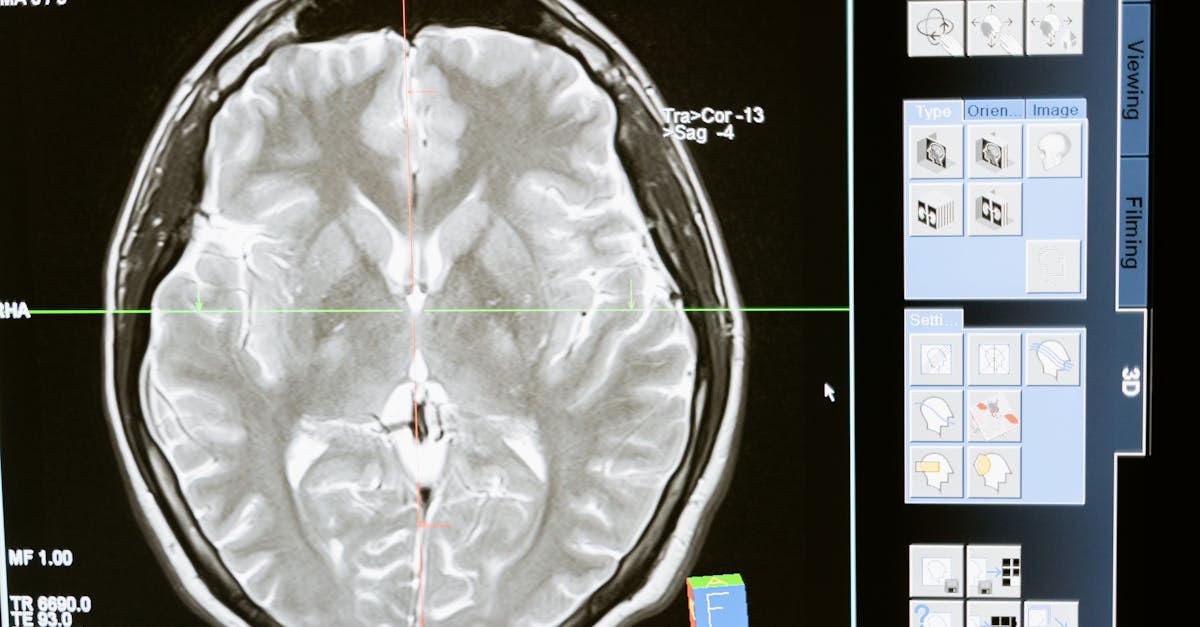
Poor sleep doesn’t just make you groggy. It actively fills your brain with the exact proteins that cause Alzheimer’s disease.
New research analyzing cerebrospinal fluid — the clear liquid that bathes your brain — found a direct relationship between sleep disturbance and amyloid-β accumulation. The worse your sleep, the more toxic protein sludge builds up in your brain tissue.
This isn’t correlation masquerading as causation. The proteomic signatures show sleep disruption causes the cellular stress pathways that drive Alzheimer’s pathology. Poor sleep literally creates the biological conditions for dementia.
The timing matters enormously. These cerebrospinal fluid changes appear years before cognitive symptoms. Your sleep quality at 35 is writing checks your brain will cash at 65.
The mechanism is straightforward: deep sleep activates your brain’s waste clearance system — the glymphatic pathway that flushes out metabolic debris. Skip the deep sleep, skip the cleanup. The amyloid-β proteins that should be cleared during the night instead accumulate in plaques.
Sleep tracking suddenly becomes less about fitness optimization and more about neurodegeneration prevention. Your Oura ring isn’t just measuring recovery — it’s measuring Alzheimer’s risk.
The researchers identified specific protein patterns that link sleep disruption to neuroinflammation and cellular damage. These aren’t subtle changes. The proteomic signatures are dramatic enough to serve as early biomarkers for Alzheimer’s development.
The Protocol says: Sleep quality is now a quantifiable Alzheimer’s risk metric. Seven hours of deep sleep isn’t lifestyle advice — it’s neurological insurance. Track it, optimize it, protect it.
This transforms sleep from nice-to-have recovery tool into non-negotiable brain maintenance.
Published in Alzheimer’s & Dementia, analyzing cerebrospinal fluid biomarkers and sleep patterns in Alzheimer’s disease progression.