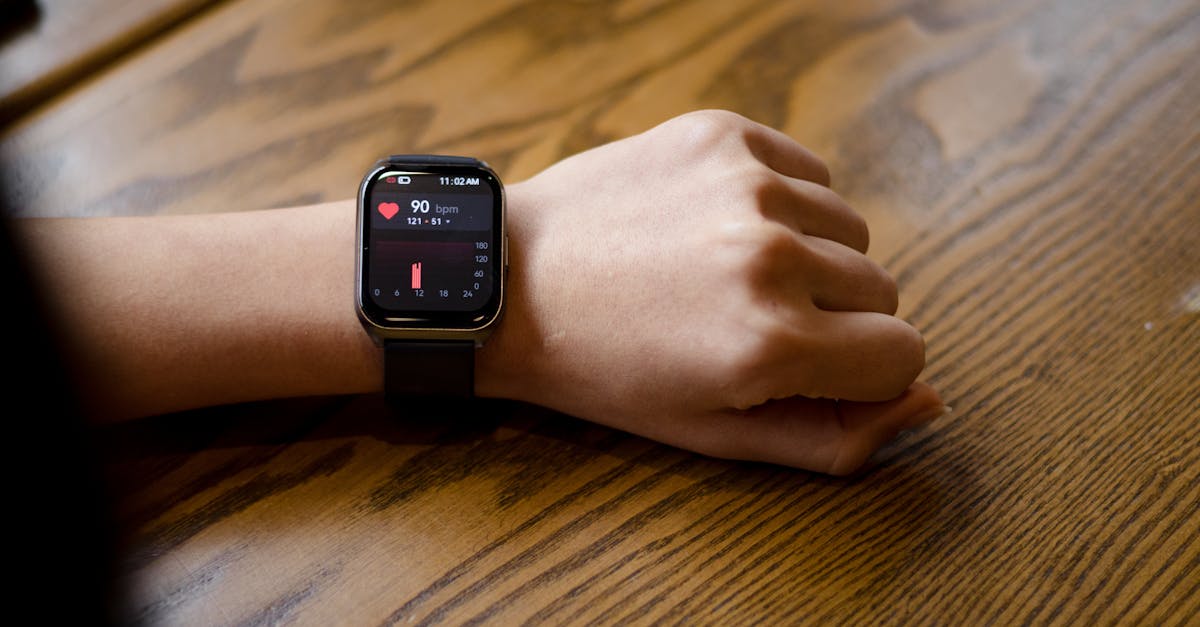
That fitness tracker buzzing on your wrist tracks more than steps and sleep. New research suggests heart rate variability — the tiny fluctuations between heartbeats — could serve as an early warning system for age-related frailty.
HRV measures how much your heart rate varies from beat to beat. A healthy heart doesn’t tick like a metronome; it speeds up and slows down in response to breathing, stress, and recovery. Higher variability typically signals a robust autonomic nervous system. Lower variability? Your body’s stress response is getting sluggish.
The European researchers reviewed existing studies connecting HRV to frailty markers — things like muscle weakness, slow walking speed, and exhaustion. The pattern was consistent: as frailty increased, HRV decreased. The worse someone scored on traditional frailty assessments, the less their heart rate varied.
This matters because current frailty screening relies on subjective questionnaires and physical tests that catch problems late. By the time you’re walking slowly and feeling exhausted, the decline is already advanced. HRV could spot trouble years earlier.
Your Apple Watch or Whoop already measures HRV nightly. Instead of just tracking whether you’re recovered for tomorrow’s workout, that data might reveal whether you’re aging well or sliding toward frailty. The difference between a 30-year-old with high HRV and low HRV could predict their trajectory decades ahead.
The review acknowledges limitations — different devices measure HRV differently, and we need more standardized protocols. But the biological logic is sound. Your autonomic nervous system controls everything from heart rate to digestion to stress response. As it weakens with age, HRV drops before other symptoms appear.
The Protocol says: start tracking your HRV trends now. The data isn’t perfect, but it’s the best early warning system we have for systemic aging decline.
The smartwatch revolution just got smarter — and more sobering.
Research published in European Journal of Clinical Investigation reviewed the growing evidence connecting heart rate variability to frailty assessment.