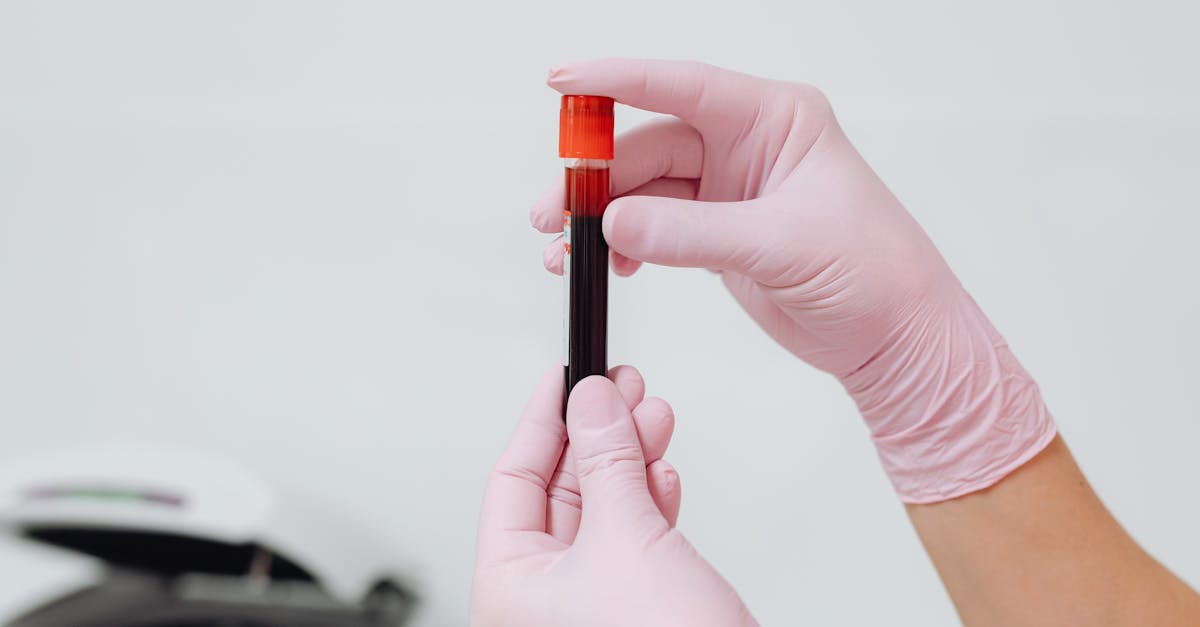
Your doctor orders a thyroid test. The lab spits out numbers. If you’re over 50, those “normal” ranges might be complete nonsense.
Turkish researchers just published findings that should make every man over 40 pay attention. They analyzed thyroid function in 2,847 people and found something remarkable: what counts as “normal” thyroid function changes dramatically with age.
The problem? Most labs still use reference ranges based on young adults. A 55-year-old man with TSH levels that would trigger treatment recommendations might actually be perfectly normal for his age.
Think of it like blood pressure. We don’t expect a 60-year-old to have the same BP as a 25-year-old. But somehow we’ve been doing exactly that with thyroid hormones for decades.
The study established new age-specific ranges for Eastern Anatolia, but the implications are global. TSH levels naturally rise with age. Free T4 and T3 levels decline. This isn’t pathology—it’s biology.
Here’s why this matters for longevity: thyroid hormones control your metabolic rate, energy production, and cellular repair mechanisms. Get the dosing wrong—either direction—and you’re looking at increased cardiovascular risk, cognitive decline, and accelerated aging.
The researchers found that using young-adult ranges could lead to unnecessary thyroid hormone prescriptions in older adults. Conversely, some genuinely hypothyroid older men might be missed entirely.
Current thyroid treatment guidelines already acknowledge this somewhat, but most labs haven’t caught up. Your GP probably doesn’t know your TSH of 4.2 might be perfectly fine at age 52.
The Protocol says: Request age-specific interpretation of your thyroid tests. A TSH between 2.5-4.5 after age 50 isn’t automatically problematic, despite what the lab report suggests. The evidence for age-adjusted ranges is solid, the risk of misinterpretation is real, and advocating for proper interpretation costs nothing.
The thyroid testing revolution starts with informed patients asking better questions.
Research from Medicina analyzed thyroid function across age groups in a population-based study from Eastern Anatolia.