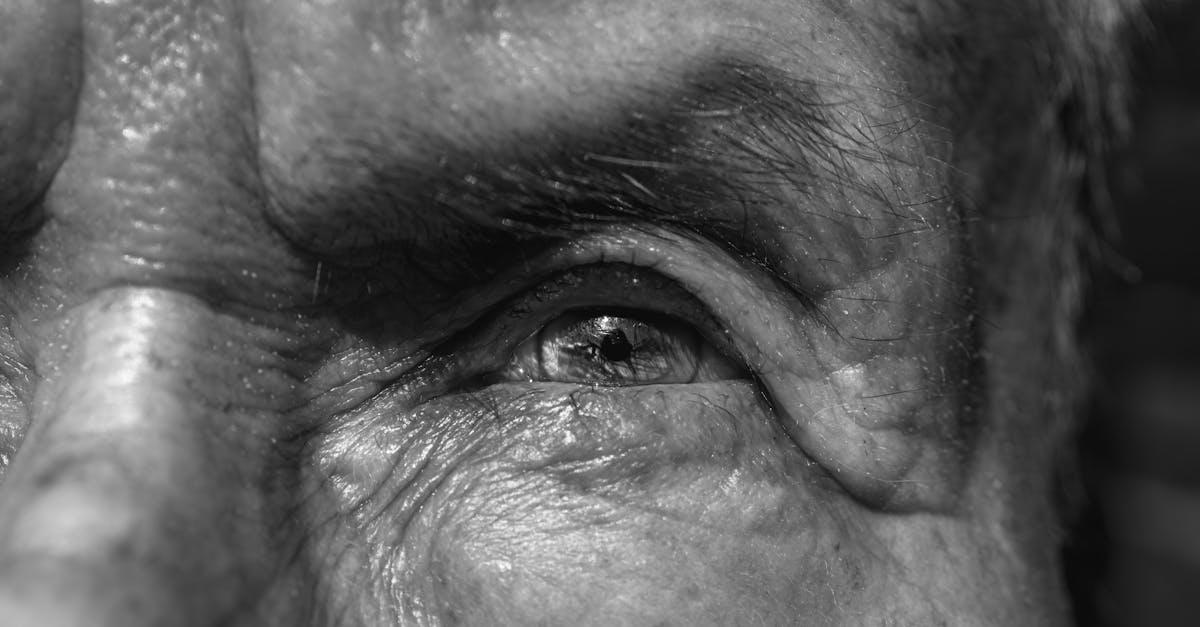
We’ve always thought of cataracts as a simple mechanical problem. The lens proteins clump together like bad soup, vision goes cloudy, surgery fixes it. Done.
Turns out we were missing the bigger picture.
New research reveals that posterior subcapsular cataracts—the type that hits your reading vision first—are actually driven by cellular senescence. The same process that gives you wrinkles is making your eyes cloudy.
Here’s what’s happening: aging cells in your lens stop dividing but don’t die. Instead, they become senescent zombies, pumping out inflammatory signals. Specifically, they release IL-17A, which triggers something called epithelial-mesenchymal transition (EMT). Think of EMT as cells forgetting their job—lens cells stop being transparent and start acting like scar tissue.
This isn’t just academic hair-splitting. If cataracts are driven by senescence, then senescence-targeting drugs (senolytics) might prevent them. We already know senolytics can clear out zombie cells in other tissues.
The researchers found this inflammatory circuit is particularly active in age-related posterior subcapsular cataracts, which affect nearly 20% of people over 65. These aren’t the standard nuclear cataracts that make everything hazy—these hit your near vision and reading ability specifically.
This connects your eye health to the broader aging process in a way we’ve never understood before. The same cellular dysfunction that drives arthritis, heart disease, and skin aging is apparently fogging up your lens.
The Protocol says: This is early-stage mechanism research, but it’s the kind that could reshape how we think about preventing age-related vision loss. If senolytics work for cataracts like they do for other age-related diseases, we might be looking at prevention rather than just surgical fixes.
The eye might just be another battlefield in the war against aging—and we finally know which enemy we’re fighting.
Research published in Aging Cell demonstrates the senescence-driven mechanisms behind age-related posterior subcapsular cataracts.