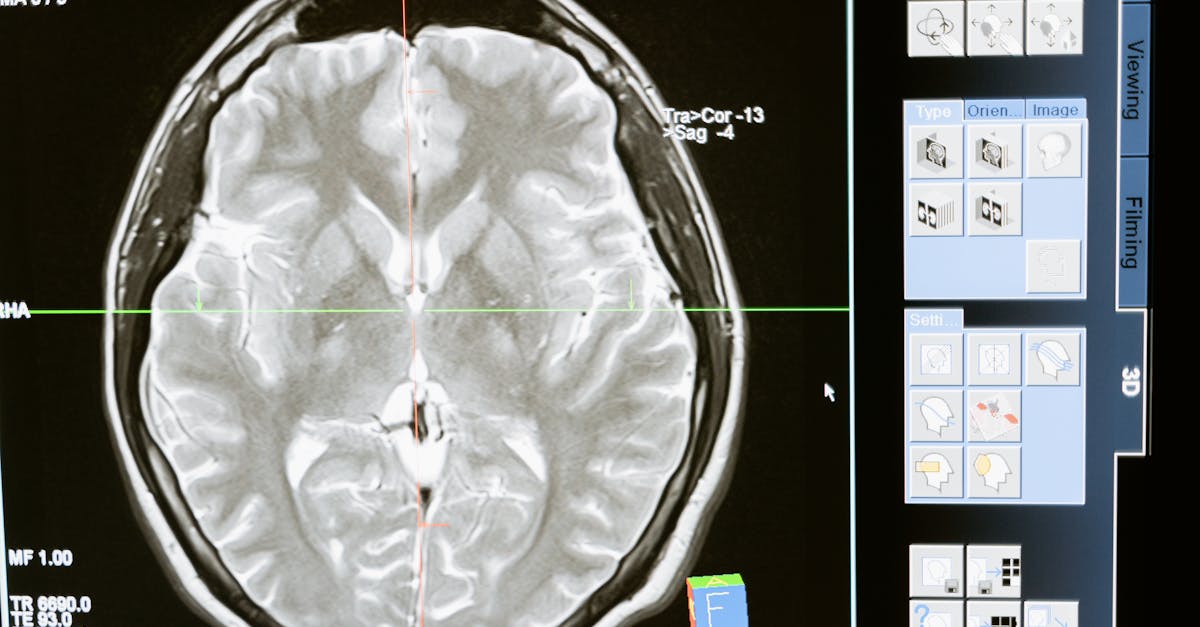
Two people who had heart surgery as children developed early-onset cerebral amyloid angiopathy in their 40s and 50s — the same toxic protein clumps that clog Alzheimer’s brains.
The twist? Their operations decades earlier used cadaveric materials. Grafts from dead donors.
Both patients had no family history of dementia. No genetic risk factors. Just bad luck with medical materials that may have carried amyloid “seeds” from donor to recipient, where they sat dormant for 30-40 years before blooming into brain-damaging plaques.
This isn’t the first time we’ve seen iatrogenic amyloid transmission — the medical term for accidentally passing along these protein clumps. Growth hormone extracted from human pituitary glands did the same thing to kids in the 1980s. Some developed Creutzfeldt-Jakob disease decades later.
The cardiac surgery connection is new, though. And deeply unsettling.
We’re talking about a mechanism that could turn routine childhood medical interventions into ticking time bombs. The patients in this case study developed severe cognitive problems and strokes in midlife — exactly when our readership should be hitting their professional peak.
The good news? Modern surgery has largely moved away from cadaveric materials for these procedures. Synthetic alternatives and better screening have reduced the risk. But thousands of people who had surgery in the 1980s and 1990s are walking around with unknown exposure histories.
The mechanism makes biological sense. Amyloid proteins can act like prions — misfolded proteins that force normal proteins to misfold too, spreading the damage like a chain reaction. Plant a seed in the wrong place, wait 30 years, harvest brain disease.
The Protocol says: this changes nothing about current medical care, but everything about how we think about long-term risk. If you had cardiac surgery as a child, discuss amyloid screening with your doctor.
Your childhood medical history just became part of your longevity strategy.
Originally reported in MedPage Today as part of emerging research on iatrogenic protein transmission.