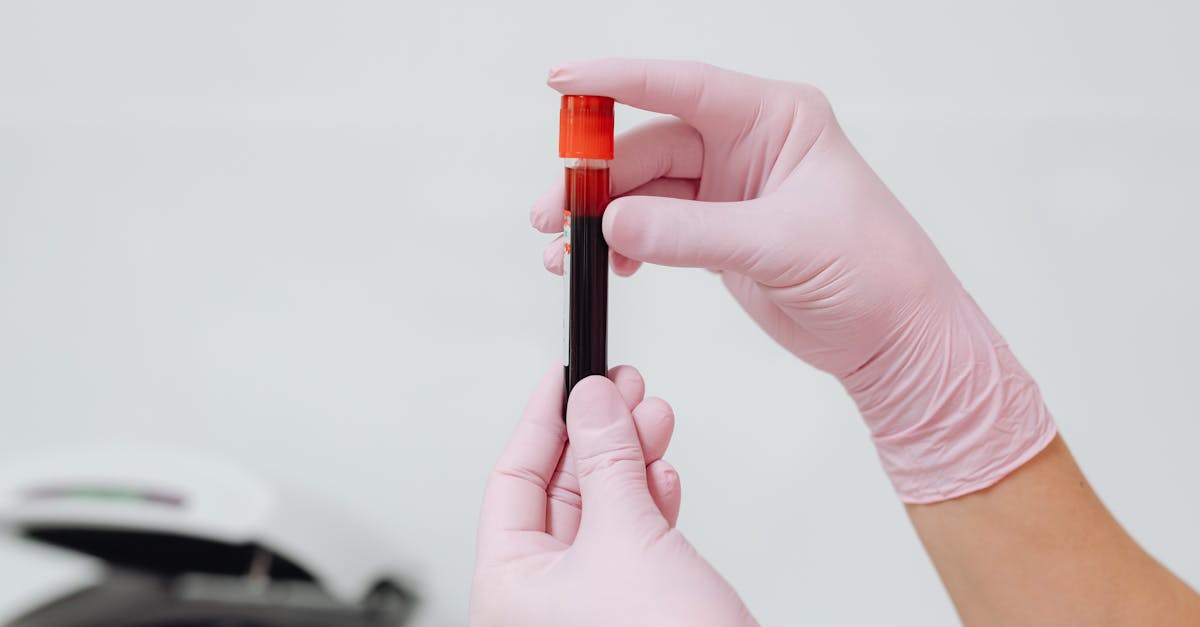
Your annual blood panel just got more interesting. Chinese researchers tracked 15,000 adults across two continents and found a new way to combine your existing blood markers that crushes standard cholesterol tests for predicting who develops multiple chronic diseases.
The TyG-NHHR index sounds complicated but uses numbers you already get: triglycerides, glucose, HDL cholesterol, and non-HDL cholesterol. Think of it as your metabolic report card — how well your body handles sugar and fat simultaneously.
Here’s why it matters for us: the combo marker caught people developing diabetes, heart disease, and stroke combinations that standard cholesterol readings missed entirely. In the study, adults with the highest TyG-NHHR scores were 3.2 times more likely to develop multiple chronic diseases within six years.
The beauty is early detection. While your doctor focuses on individual risk factors — cholesterol here, blood sugar there — this index reveals the underlying metabolic chaos that drives multiple diseases at once. It’s particularly sharp in the 30-45 age range, precisely when prevention matters most.
The math is straightforward: TyG-NHHR = ln[triglycerides × glucose / 2] × (non-HDL cholesterol / HDL cholesterol). Most lab reports include all four values, so you can calculate it yourself.
What sets this apart from other “breakthrough” biomarkers is the dual validation — Chinese and European populations showing identical patterns. That’s rare in biomarker research, where promising results often evaporate across different populations.
The researchers found TyG-NHHR superior to established indices like HOMA-IR for insulin resistance and traditional lipid ratios. More importantly, it stayed predictive even after adjusting for age, sex, smoking, and existing conditions.
The Protocol says: Request these four markers at your next physical and do the math. The evidence is solid across populations, the risk is zero (it’s just calculation), and early intervention based on metabolic risk beats waiting for individual diseases to emerge.
Your doctor might not know this index yet, but your blood already tells this story.
Research published in Journal of Health, Population and Nutrition following dual-cohort study of Chinese and European adults.