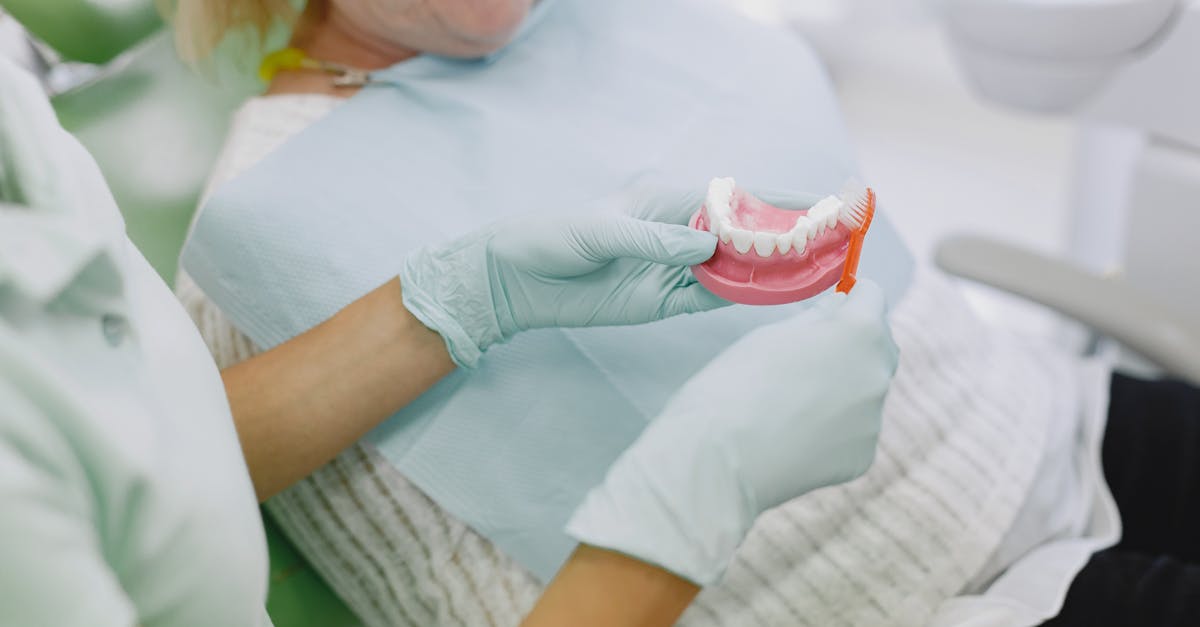
Swedish researchers just proved something gerontologists have suspected for years: fixing old people’s mouths keeps them healthier everywhere else.
The study tracked frail adults over 80 using “oral care cards” — basically laminated instructions for proper tooth and gum care. Municipal care leaders and dental professionals guided the intervention across multiple care settings.
Results were striking. Participants using the structured oral care protocol had fewer emergency hospital admissions and maintained better nutritional status compared to standard care. The mechanism isn’t mysterious: poor oral health in the elderly creates a cascade of problems. Gum disease drives systemic inflammation. Tooth loss leads to malnutrition. Mouth infections can trigger sepsis.
The cards worked because they solved the real problem: nobody was actually doing proper oral care in these settings. Care workers lacked training. Elderly residents couldn’t manage complex routines. The simple, visual cards created a system that actually got followed.
What made this interesting wasn’t the intervention itself — it’s that municipal care leaders and dentists finally coordinated instead of working in silos. The cards became a communication bridge between medical and dental care, something that rarely happens despite mounting evidence that your mouth and your mortality are intimately connected.
The inflammation angle matters most here. Periodontal disease is linked to cardiovascular events, diabetes complications, and accelerated cognitive decline. For frail elderly, whose immune systems are already compromised, chronic oral inflammation becomes a significant longevity threat.
The Protocol says: If you’re caring for aging parents, prioritize their dental hygiene as seriously as their medications. The mouth-body connection isn’t wellness woo — it’s established pathophysiology that directly impacts healthspan.
The real lesson isn’t about cards — it’s about systematic approaches to problems that span medical disciplines.
Research published in Gerodontology examined oral care interventions in Swedish municipal care settings.